

Reimagining the Museum After Disruption
The Bishop Museum of Science and Nature • Bradenton, Florida
Work undertaken by Hillary Spencer, EdD, while serving as CEO of the Bishop Museum of Science and Nature.
Emerging from the COVID-19 pandemic, and after a major capital expansion, the Bishop Museum of Science and Nature faced a changed community, shifting audiences, and new questions about how its expanded campus could best serve its mission.
Rather than focusing on returning the museum to what it had been, the work began by looking across the institution at its spaces, programs, audiences, partnerships, and resources to identify new possibilities for growth and engagement. This included reconsidering how visitors moved through and used the museum, identifying underused spaces and assets, and asking how the existing campus could be activated in new ways for different audiences, experiences, and times of day.
Reconsidering Existing Assets
Reimagining the museum did not necessarily require building something new. Sometimes it meant looking differently at what was already there.
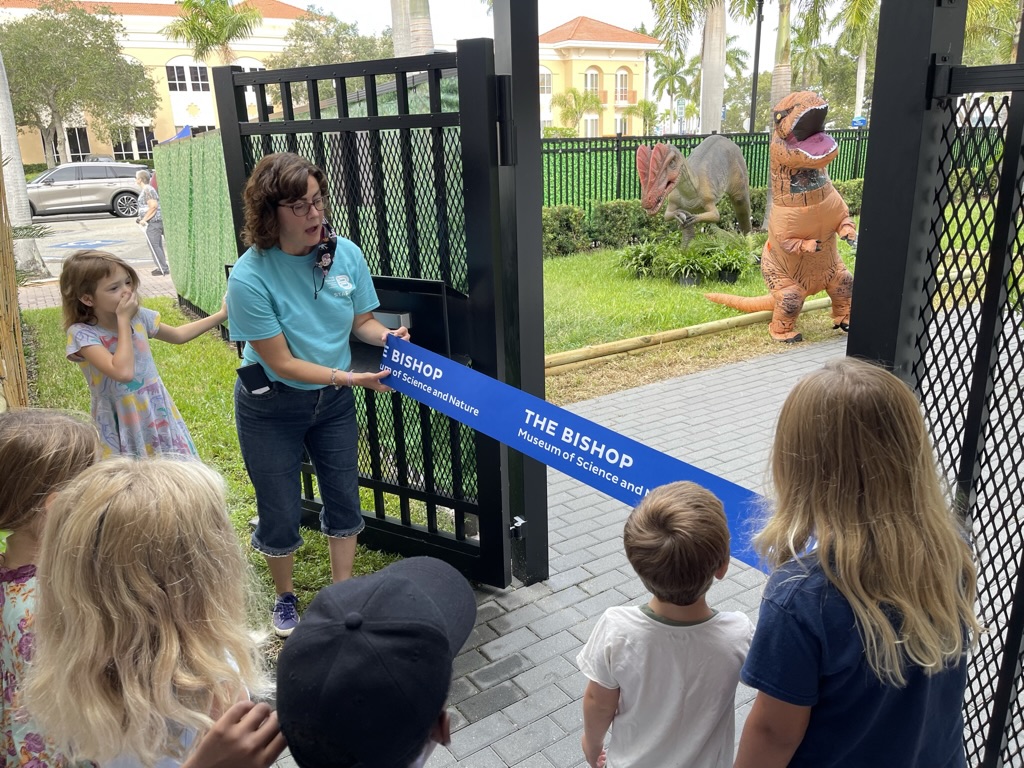
An underused outdoor area became a temporary dinosaur experience designed to attract families and generate earned revenue. The planetarium, traditionally associated with daytime museum visitation, was reactivated at night through the return of laser light shows after an absence of nearly twenty years. The shows created an adult social experience and invited people back into the museum who had not visited since childhood. Spaces previously left empty were activated as temporary galleries, discovery centers, and new areas for scientific exploration.
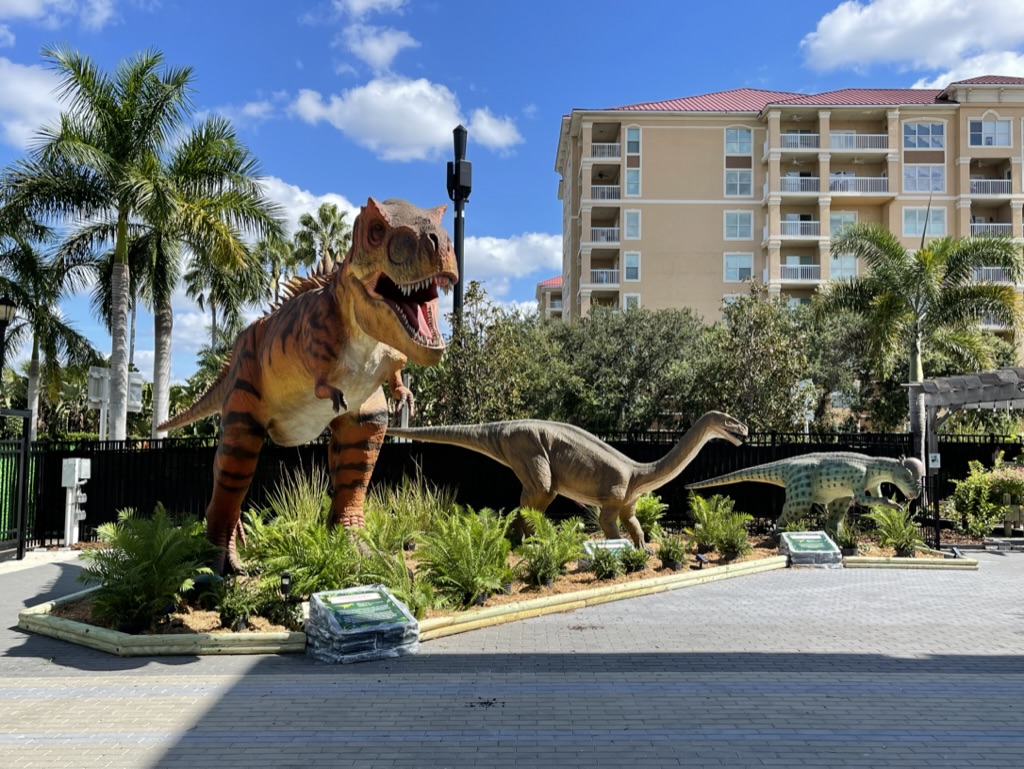
Together, these experiments asked a simple question of existing institutional assets: What else could this do?
Expanding Mission and Impact
At the same time, reimagining the museum did not mean moving away from its scientific and conservation mission. It also meant asking where the museum could have greater impact.
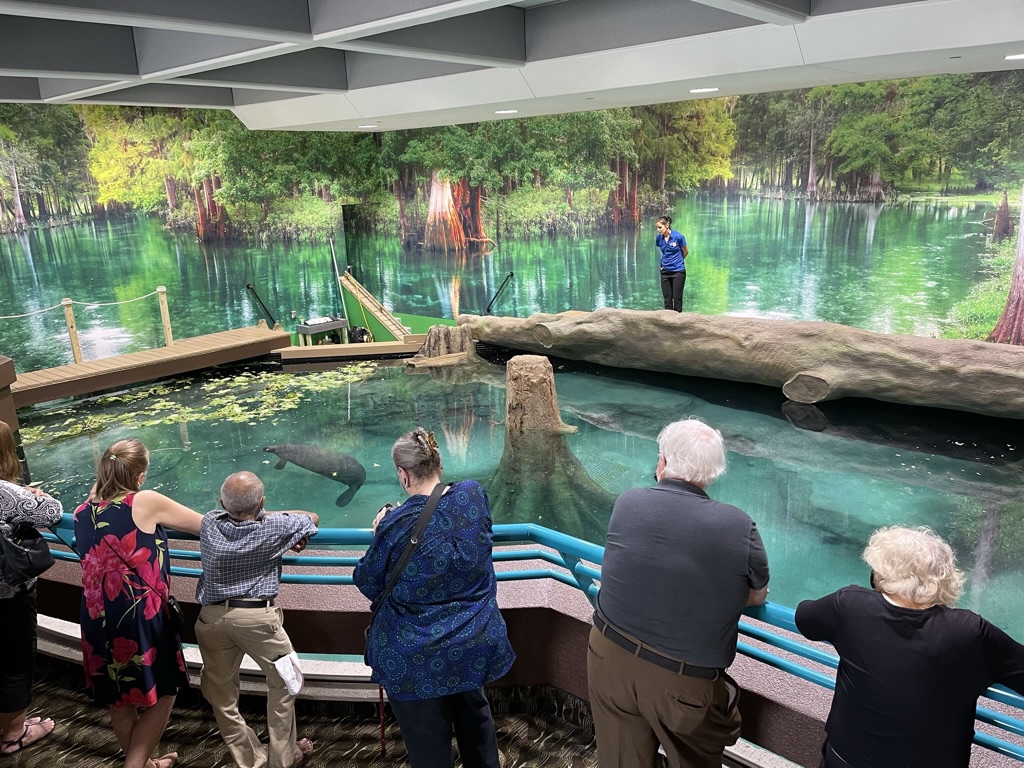
During a period of crisis for Florida’s manatee population, the Bishop increased its capacity as one of the country’s few second-stage manatee rehabilitation facilities and secured a $500,000 grant to support the expansion of the program.
The investment strengthened the museum’s ability to respond to an urgent conservation need while bringing greater attention to the scientific research, rehabilitation, education, and conservation work at the heart of its mission.
Seeing the Organization as a System
These initiatives treated physical space, visitor flow, language and access, audience development, financial sustainability, programming, conservation, and mission not as separate challenges, but as interconnected parts of the same organization.
Existing assets and practices were reconsidered not simply for what they had been designed to do, but for what else they might make possible.
The goal was not to return the Bishop to what it had been before disruption. It was to use disruption as an opportunity to ask what the museum could become.
Essential Question
How can a museum respond to disruption not by returning to what it was, but by reconsidering who it serves, how it uses its assets, and what it might become?
Connection to the Lexicon
Agency (v.) • Disrupt (v.) • Belong (v.) • Curiosity (n.) • Courage (v.) • Possibility (n.) • Museum (n.)