

From Play Space to Community Resource
The Children’s Museum of the Upstate • Greenville, South Carolina
Work undertaken by Hillary Spencer, EdD, while serving as President & CEO of The Children’s Museum of the Upstate.
When Hillary joined The Children’s Museum of the Upstate in 2019, one of the central questions was deceptively simple: What does it mean for a museum to truly be part of its community?
The work began by looking beyond the museum’s walls.
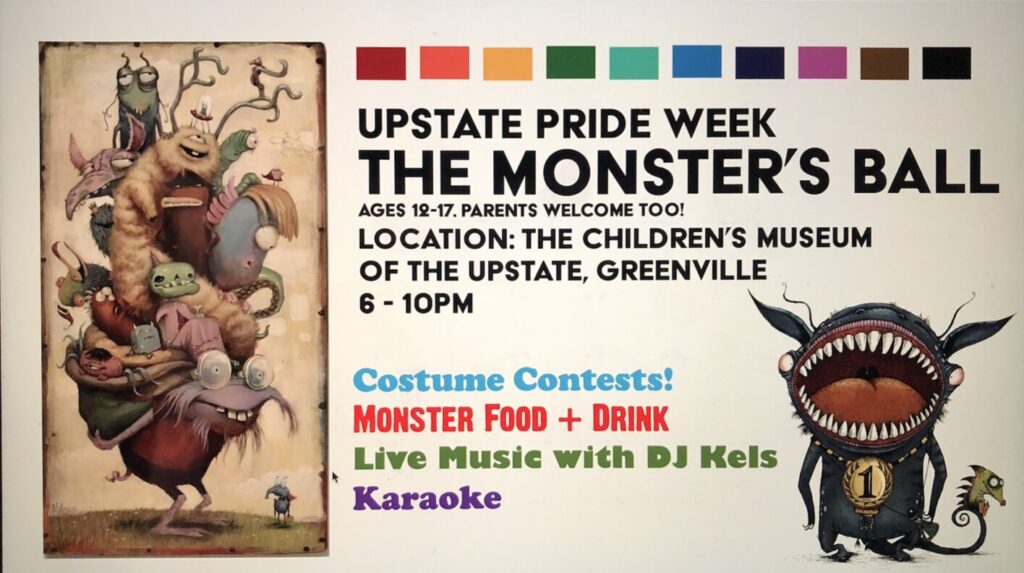
During Greenville’s first Pride celebration, the museum partnered with Upstate Pride to host a family event, publicly signaling that LGBTQ+ families were welcome and belonged at the museum. The museum also partnered with the India Association of Greenville to participate in its Holi celebration, choosing to show up in the community rather than simply asking the community to come to the museum.
A principle began to emerge: meaningful community engagement requires more than inviting people in. Institutions also have to show up, invest their own time and resources, listen, and build relationships.
To read more about Hillary’s approach to leadership in Greenville, check out this article in Blooloop from 2019.
Responding to What Families Needed
When COVID-19 disrupted schools, childcare, workplaces, and museums, that understanding of the museum’s role became even more important. The question was no longer simply how to bring visitors back to the museum. It was what families needed the museum to become.
With children learning remotely and many parents returning to work, particularly within the region’s manufacturing economy, the museum partnered with World Explorers to create Museum School, a new model designed to support children and working families during remote learning. Children could complete their schoolwork in a supported environment while also participating in enrichment experiences in areas such as art, engineering, math, and culinary learning.
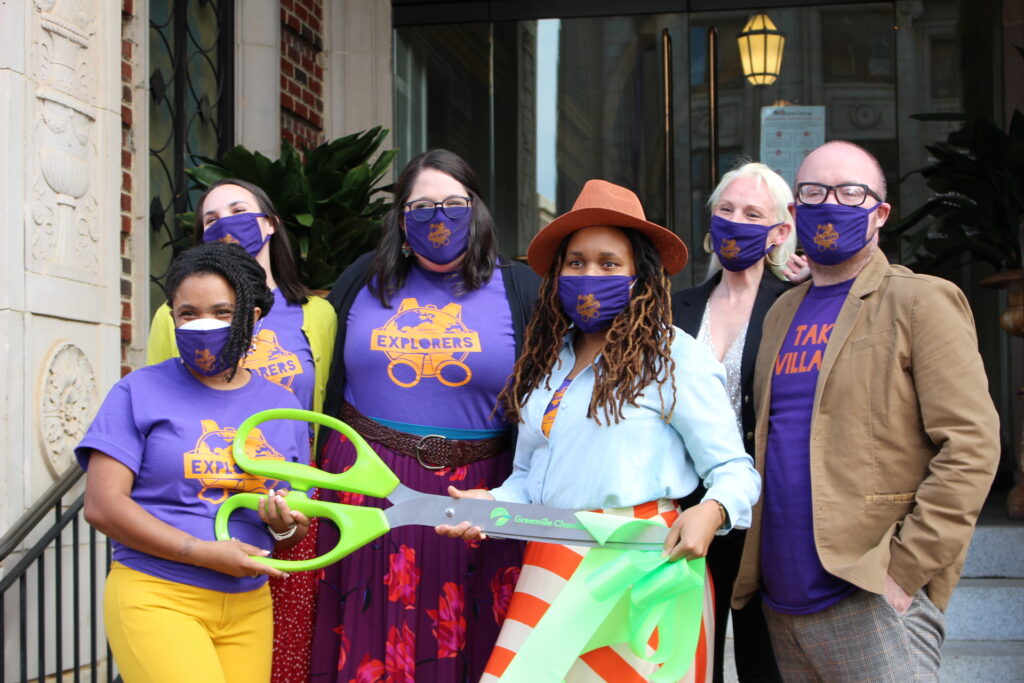
Museum School used the museum’s spaces, educational expertise, and community relationships in a fundamentally different way. It provided practical support for families, expanded the museum’s educational role beyond traditional visitation, and generated earned revenue at a time when ordinary admissions revenue had largely disappeared.
It also helped shift the understanding of the museum itself: from simply a place to play toward a community resource for play-based learning.
Creating Space for Difficult Conversations
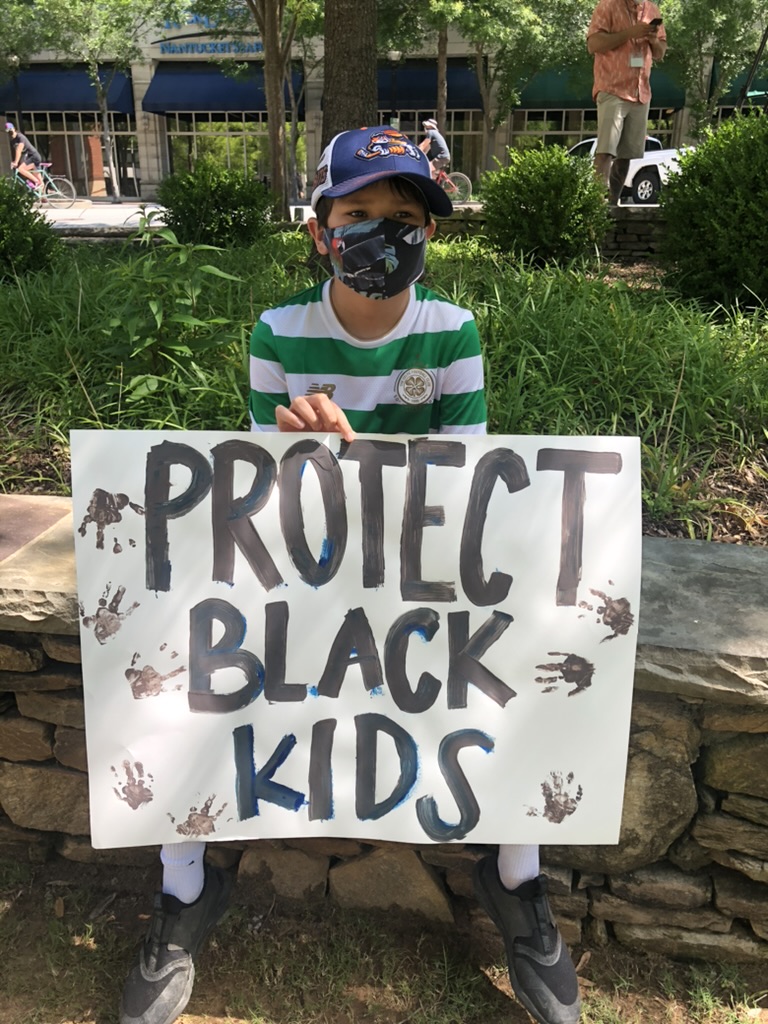
The upheavals of 2020 also raised different questions about what families needed from their community institutions.
Through the Race and Families series, the museum brought families, educators, civic leaders, and community members together for conversations about race, history, and the kind of community they wanted Greenville to become. Rather than positioning the museum as the institution with the answers, the series created space for people to ask difficult questions, listen to one another, and participate in personal, collaborative dialogue.
Participants included families who had not previously felt they had access to these kinds of conversations and resources, alongside educational and civic leaders, including Greenville’s mayor and school superintendent.
The museum’s role was not to resolve the conversation. It was to create the conditions in which the conversation could happen.
From Serving to Participating
Across these initiatives, a different understanding of community engagement took shape.
The museum moved beyond providing experiences for the community toward participating with the community: showing up, listening, building relationships, creating space for difficult conversations, responding to changing needs, and putting institutional resources to work in new ways.
The transformation was not driven by a single program or initiative. It came from repeatedly asking a different question: not simply “How can we get people to come to the museum?” but “What does our community need from us?”
Essential Question
How can a museum move beyond serving a community to becoming an active participant in it?
Connection to the Lexicon
Agency (v.) • Belong (v.) • Trust (v.) • Learn (v.) • Play (n.) • Courage (v.) • Museum (n.)